
A honeymoon in Scotland works best slowly: ten days or more, two or three nights in each place, and a route through the west Highlands and Skye rather than a lap of the whole country. May, June and September are the easy months; October brings colour, and winter brings dark skies and fires. You can even marry in Scotland first, almost anywhere, indoors or out, if you give notice at least 29 days ahead.
Why a honeymoon in Scotland works
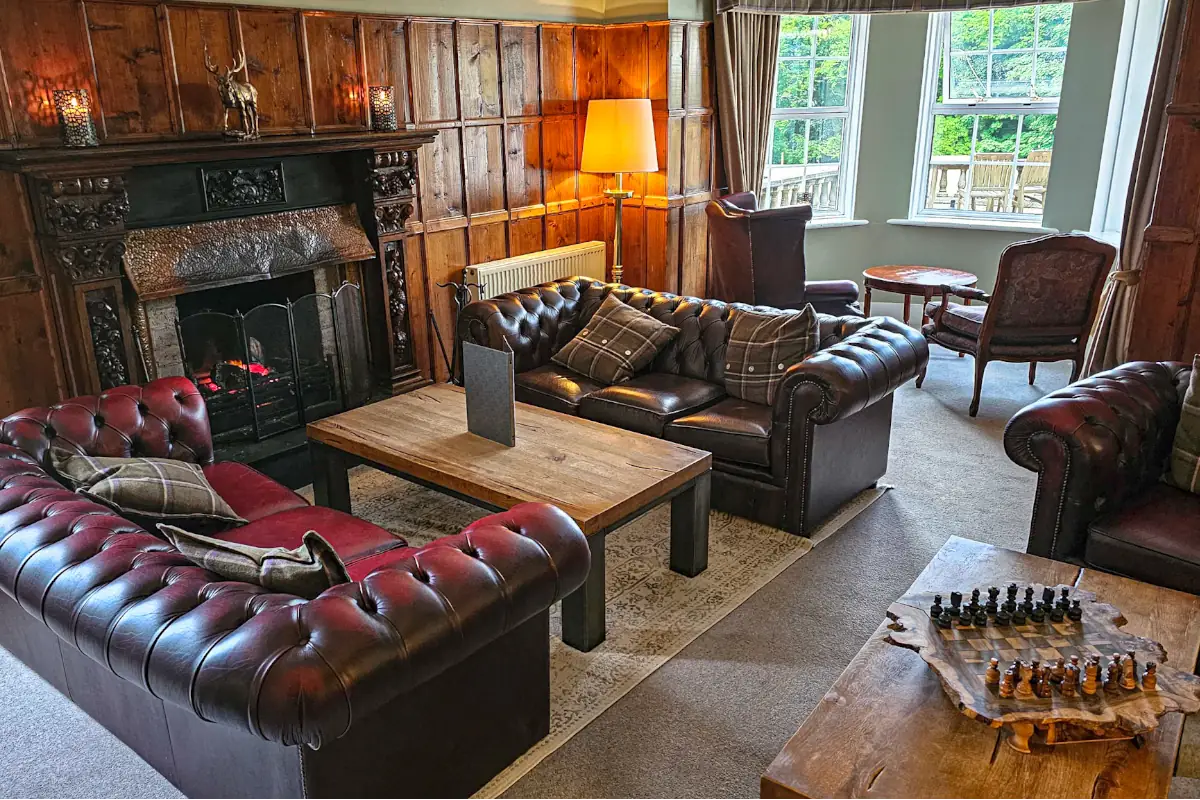
A honeymoon in Scotland is not a beach week, and that is exactly its appeal. Instead, it is long evenings on a sea loch, a fire in a country house after a wet walk, and roads where you can drive an hour without seeing another car. In short, it gives you time together rather than a programme of sights.
It also suits couples who like a little adventure. You can walk to a sandy bay in the morning, take a boat to the islands after lunch and eat langoustines at night. Yet nothing is far from a comfortable bed.
The best time for a Scotland honeymoon
There is no wrong season, only a different honeymoon. So start from what you want the days to feel like.
| Months | What you get | What to know |
|---|---|---|
| May and June | The longest days of the year; in the north it barely gets dark in June | Mid-season prices, popular dates on Skye fill early |
| July and August | The warmest weeks, every attraction open | The busiest and dearest time of the year |
| September and October | Quieter roads, autumn colour in Highland Perthshire in October | Shorter days; some boat trips stop in October |
| November to March | Fires, empty glens, dark skies and a chance of the northern lights | Short days, and some small hotels close for winter |
For dark skies, Galloway Forest Park in the south-west became an International Dark Sky Park in 2009. Further north, the best chance of the northern lights runs from October to March, although nobody can promise them. Our guide to the best time to visit Scotland goes through the weather month by month.
A honeymoon route that leaves room
The classic honeymoon mistake in Scotland is trying to see it all. A lap of the country in a week means a new hotel every night and most of the trip in the car. Therefore we suggest ten days or more, with two or three nights in each place, and a single region done well.
Our favourite shape
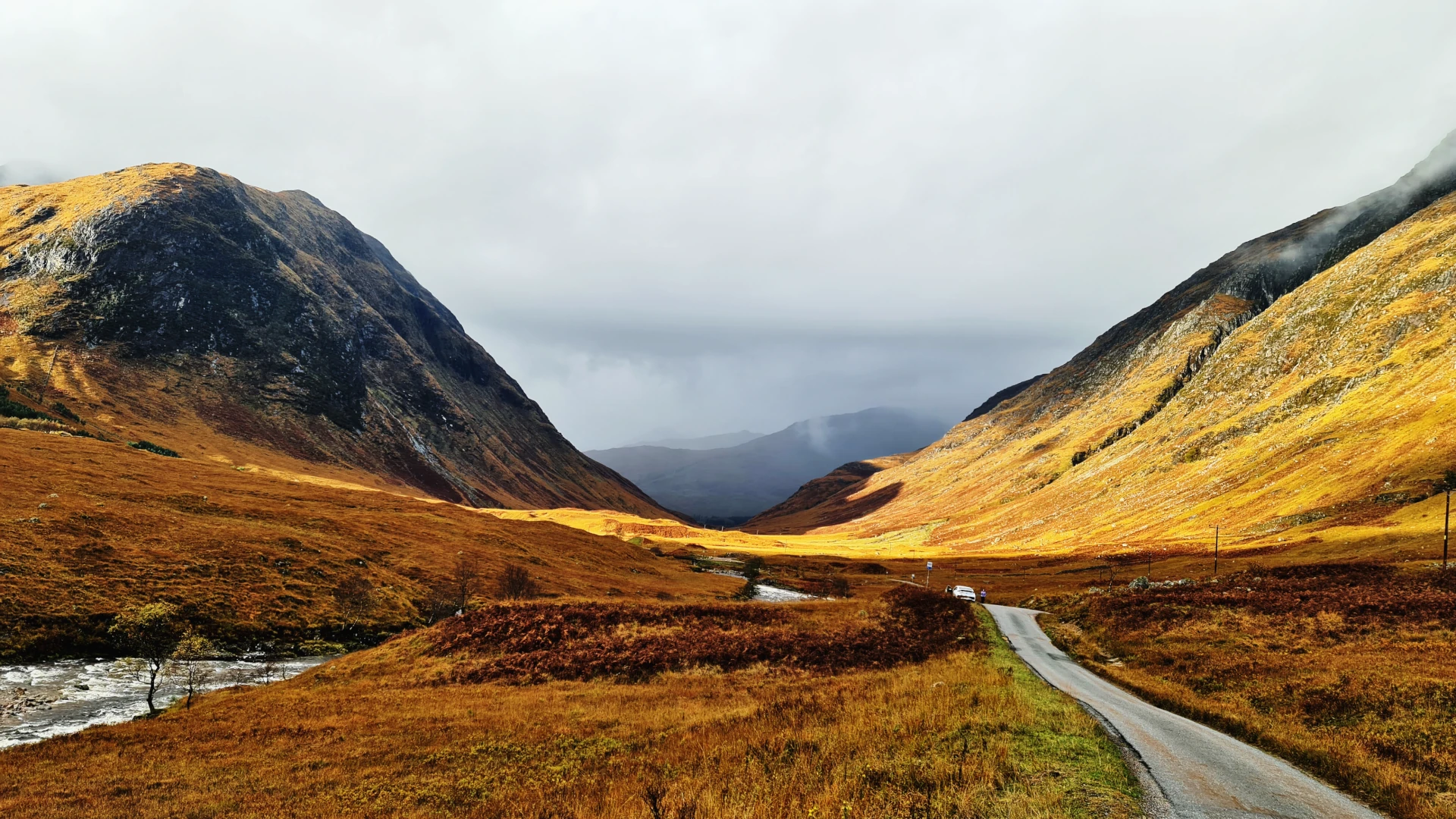
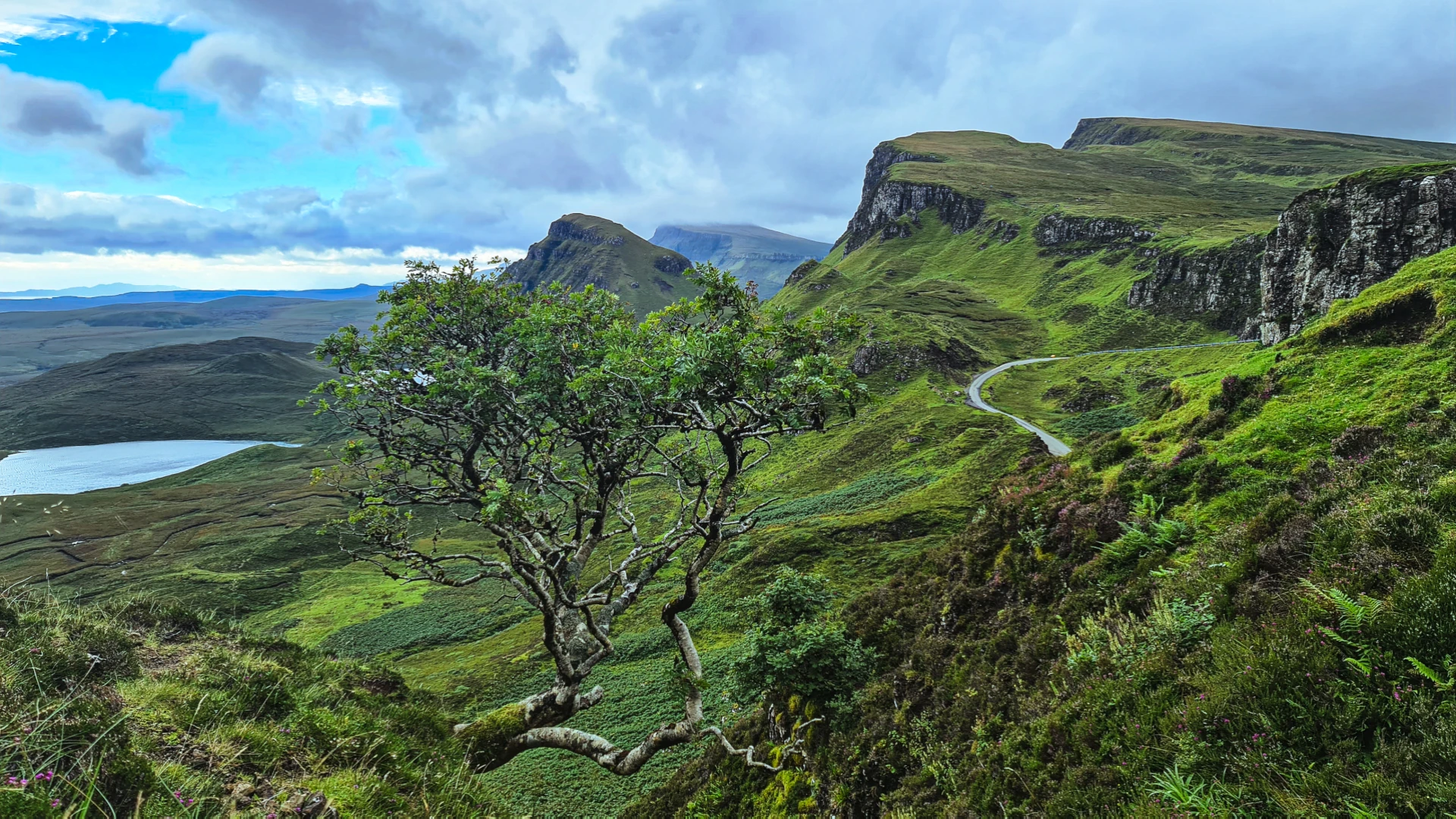
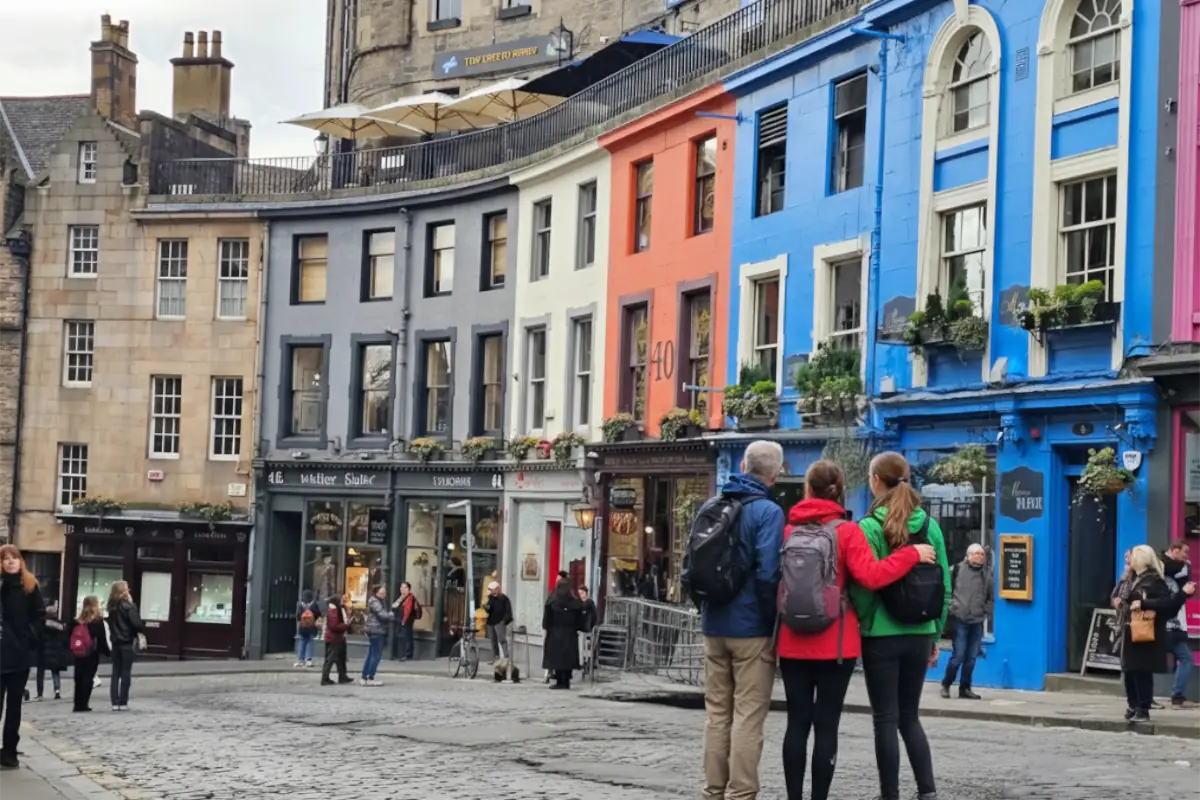
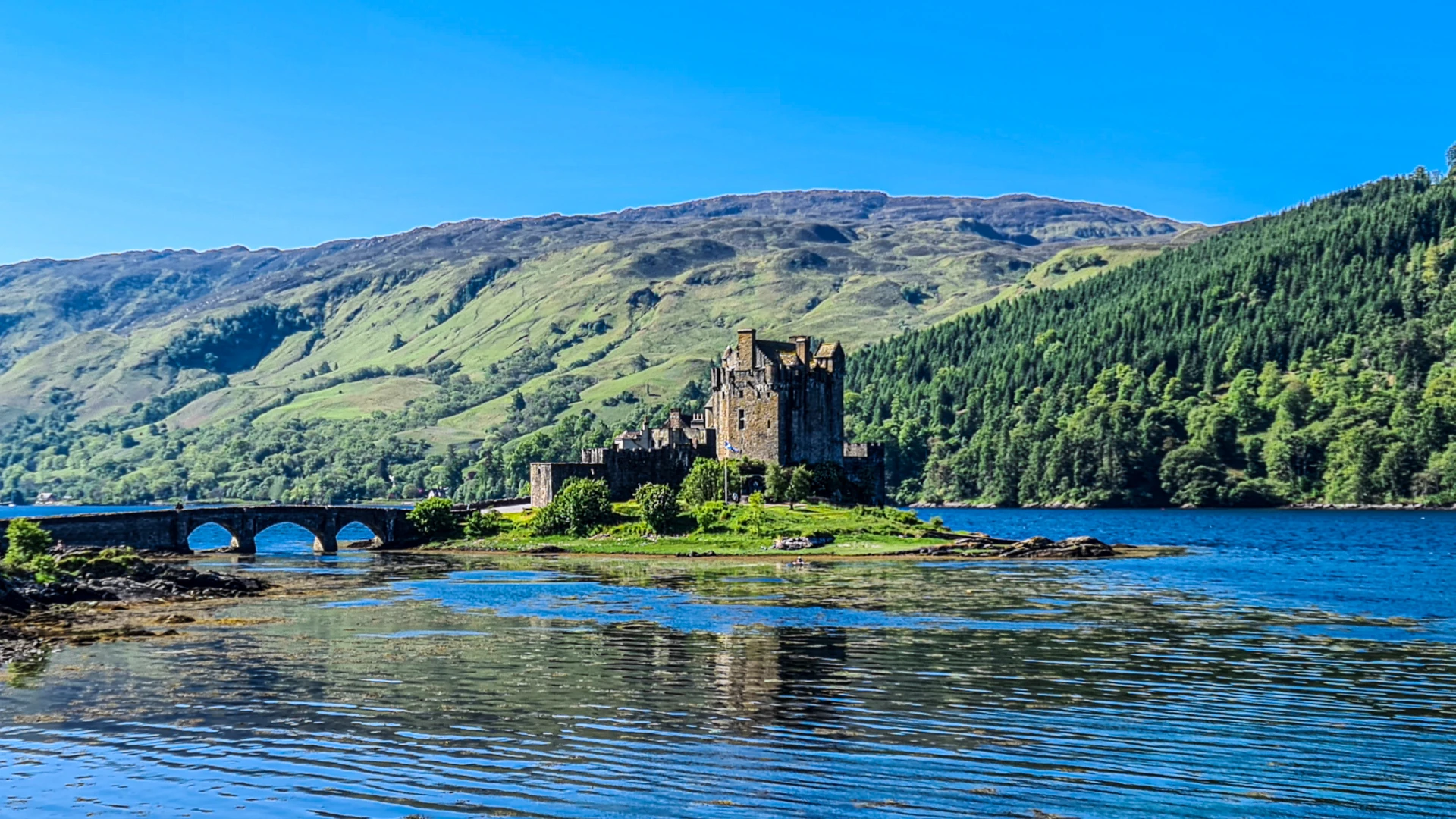
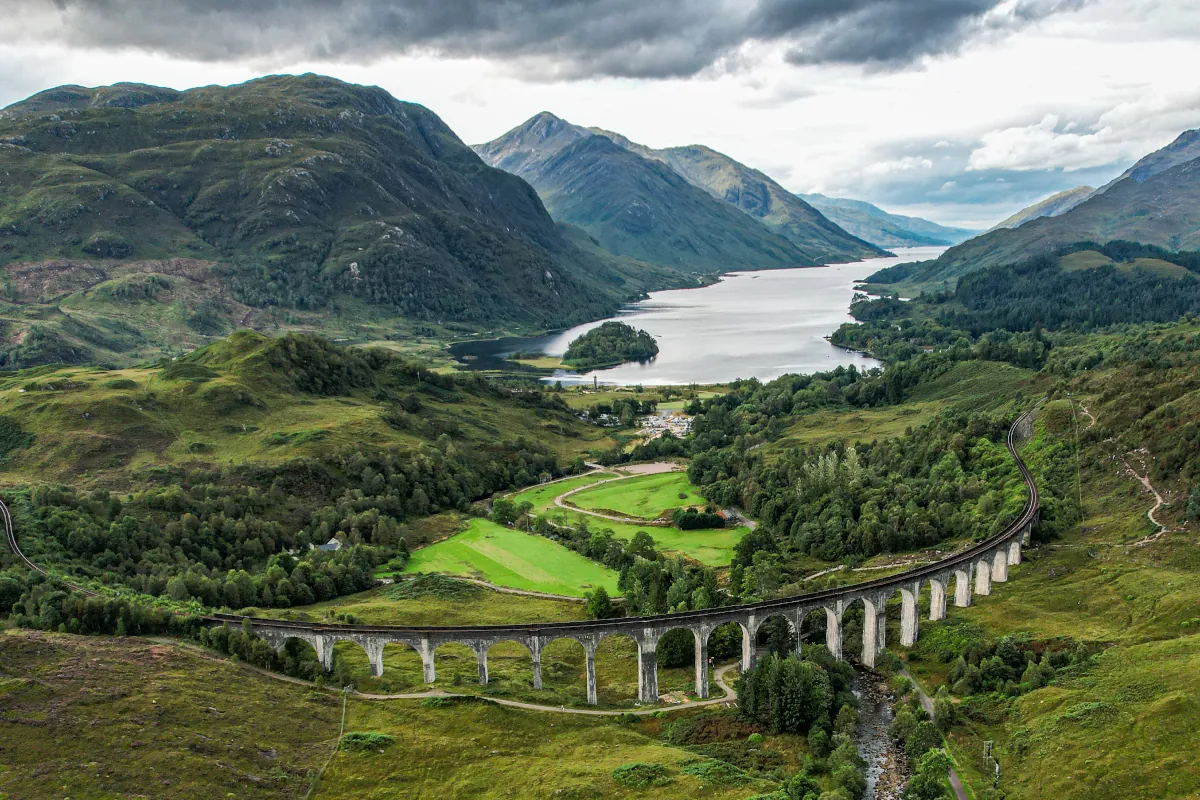
A night or two in Edinburgh, then west through Glencoe to the coast, two or three nights on Skye, and a slow return through the Highlands. Our Highlands and Skye self-drive tour follows that shape over ten days. Alternatively, the Skye and Road to the Isles tour includes a ride on the Jacobite steam train over the Glenfinnan Viaduct.
On that train, by the way, the Compartment Class gives a private compartment for up to six on the morning train only, and First Class seats you in an open carriage. Tell us early if you want one or the other, because both have few places.
Getting married in Scotland, then staying on
Marrying in Scotland as a visitor is simpler than many couples expect. In 2024, 26,955 marriages took place in Scotland, and in 6,458 of them, about one in four, neither partner lived in Scotland. More than 4,000 were at Gretna alone.
The rules are generous on place. Ceremonies may take place at any indoor or outdoor location, as long as it is accessible to your celebrant or registrar: a beach, a hilltop or a castle garden. A civil ceremony cannot be held on religious premises, however, and a religious or belief ceremony follows its celebrant's own rules.
The paperwork
- Notice. Each of you completes an M10 marriage notice form, and it costs £45 per person to submit notice. Give notice at least 29 days before the date; earlier is safer.
- Non-UK nationals. You also complete a declaration of status form, and the Home Office may look into your plans. If you have lived in the UK for less than two years, a Certificate of No Impediment or your home nation's equivalent is needed.
- Witnesses. Two people aged 16 or over.
- Entry. An ETA or a visa-free visit does not allow you to marry in the UK. Most visitors who come to marry need a Marriage Visitor visa, which costs £135.
Humanist weddings are legal in Scotland too, and they are popular. The Humanist Society Scotland charges about £520 for a ceremony, although it cannot always send a celebrant to remote islands. We do not organise the ceremony itself: that stays between you, your celebrant and the registrar. What we plan is the honeymoon around it, from the first night after the wedding to the flight home.
Small luxuries that make a honeymoon
Big gestures are easy to book. The details are what couples talk about afterwards, so here are a few we like.
- A seaweed bath. At Portavadie, on Loch Fyne, a seaweed bath starts from £69.
- A private boat. Even an hour on the water from Skye or Mull, just the two of you and the skipper, changes the day.
- The sleeper in. Arriving from London on the Caledonian Sleeper, in a double room with its own shower, starts the trip on a slower note.
- A room with a view. On a honeymoon, the sea-view room is worth the difference. Ask for it by name when you book.
For rooms with real character, our guide to castle hotels in Scotland explains how to tell the medieval tower from the Victorian mansion.
What a honeymoon in Scotland costs
Our self-drive tours start from £2,000 per person per week, based on two sharing in mid-season, with accommodation, car hire, entry fees to the sites on the itinerary and ferries included. The ten-day Highlands and Skye tour starts from £3,500 per person in mid-season.
If neither of you wants to drive, we can quote a private guided tour for two. Our guided prices are based on four sharing, so for a couple the price per person is higher; we give you the exact figure on the call.
On your own, you handle
- The rooms with a view, and asking for them
- The Jacobite tickets and the ferries
- Dinner bookings on Skye in summer
With us, we handle
- A route at honeymoon pace
- Rooms chosen from places we know
- Tickets, ferries and the dinners that matter